Small problems are cheap; ignored problems are not
A worn belt, a slow brake fluid leak, or a battery nearing the end of its life rarely show obvious symptoms until they fail — usually at an inconvenient time. Regular inspection catches these while a fix is quick and inexpensive.
Nairobi driving conditions — stop-start traffic, dust, and variable road quality — put extra strain on brakes, suspension, and cooling systems compared to lighter use elsewhere.
What a routine visit typically covers
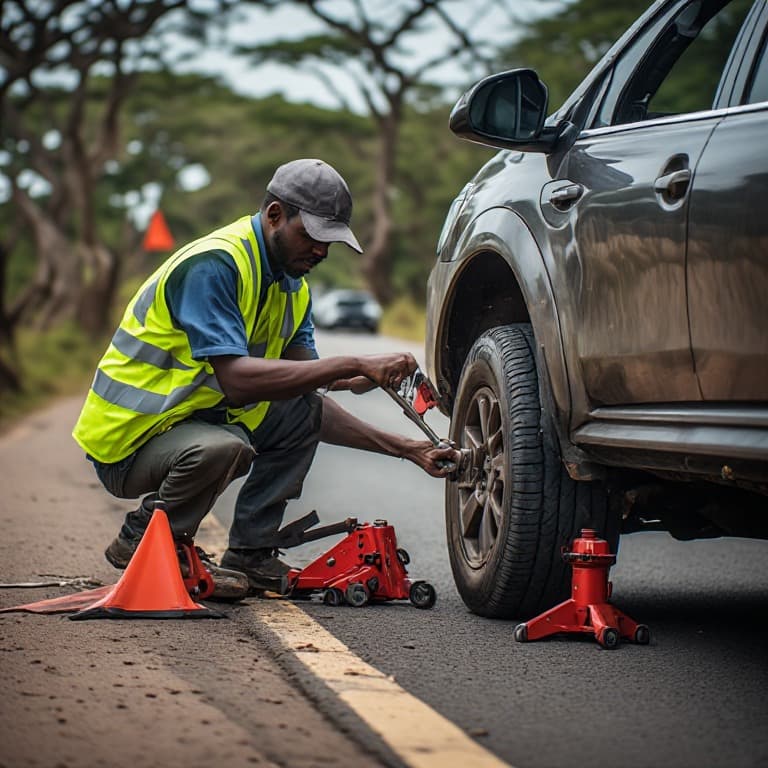
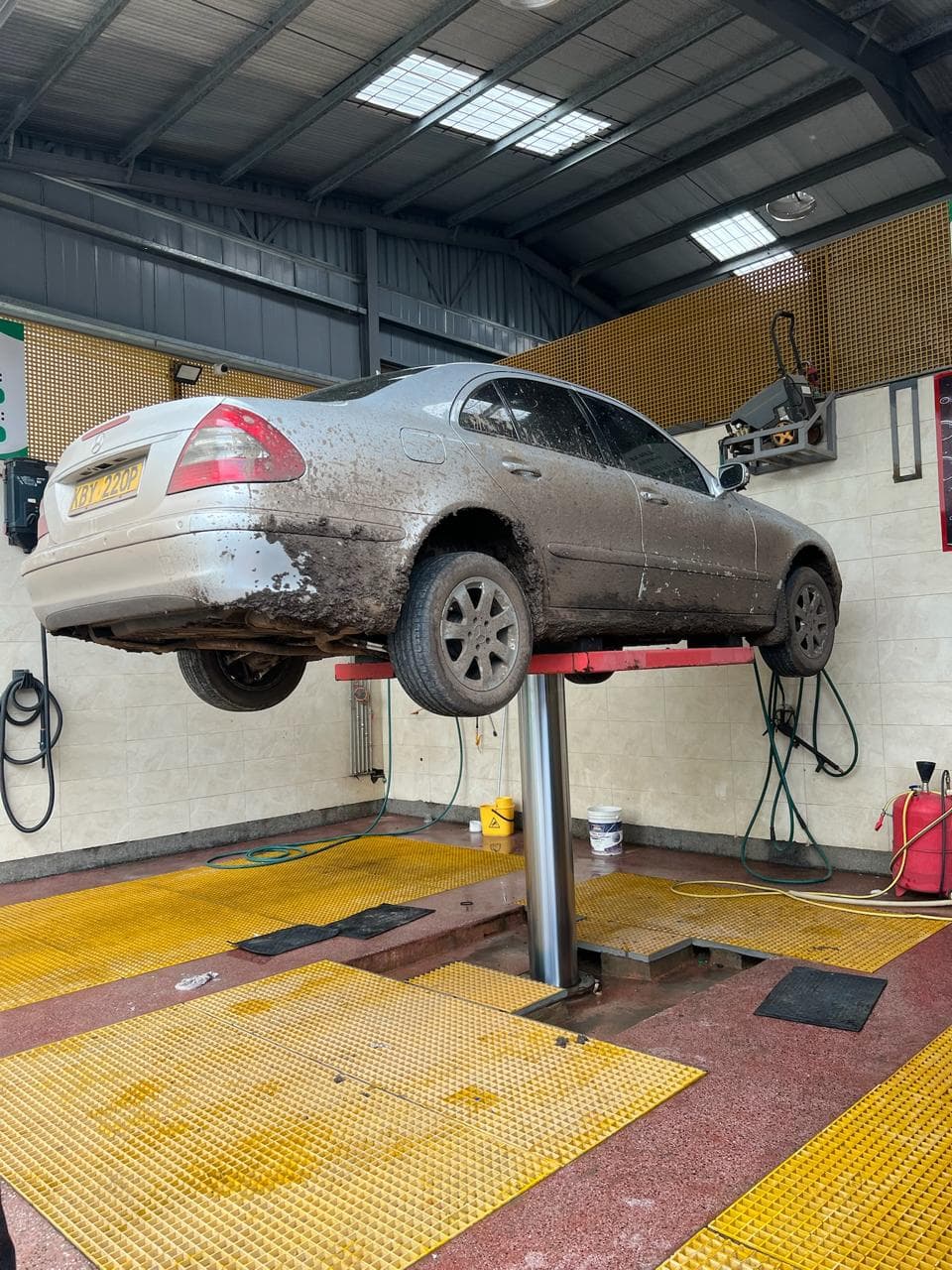
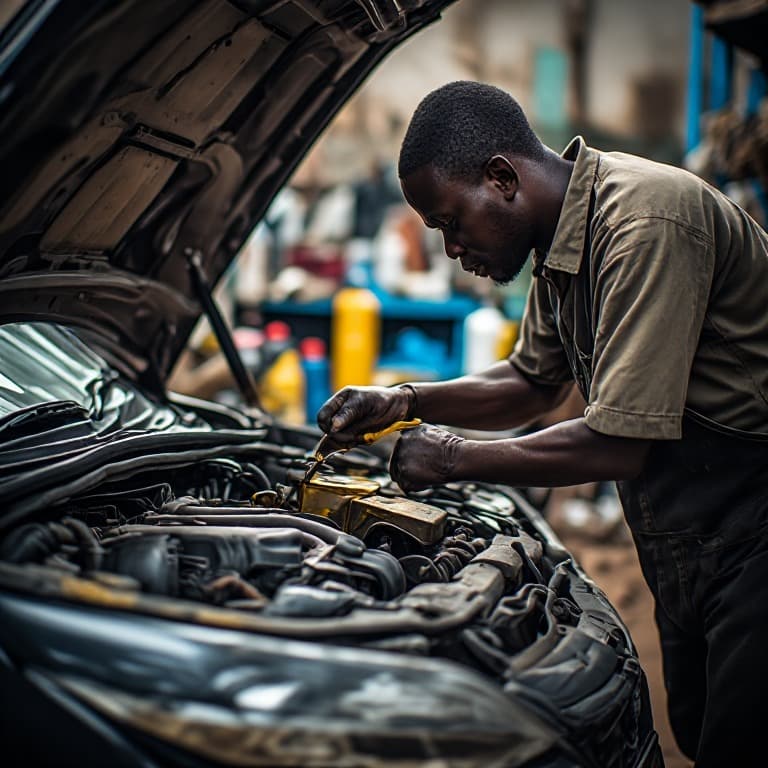
Fluid levels and condition (engine oil, coolant, brake fluid, power steering fluid), tyre tread and pressure, brake pad thickness, battery health, belts and hoses, and a general check of lights and wipers.
Most of these checks take under an hour and can be booked alongside a wash or detailing visit.
Protecting resale value and safety
A documented service history is one of the first things a buyer or dealer checks before making an offer on a used car. Regular garage visits build that history and support a stronger resale price.
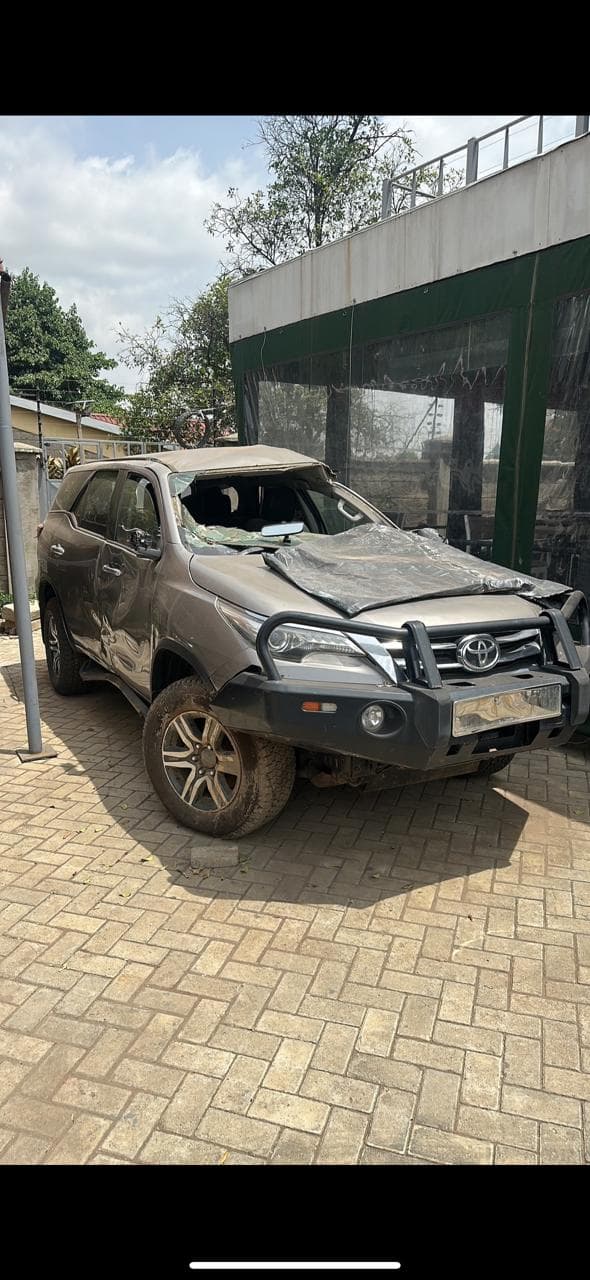
More importantly, worn brakes, tyres, and steering components are safety issues first — catching them early protects you and everyone else on the road.