Exterior and structural checks
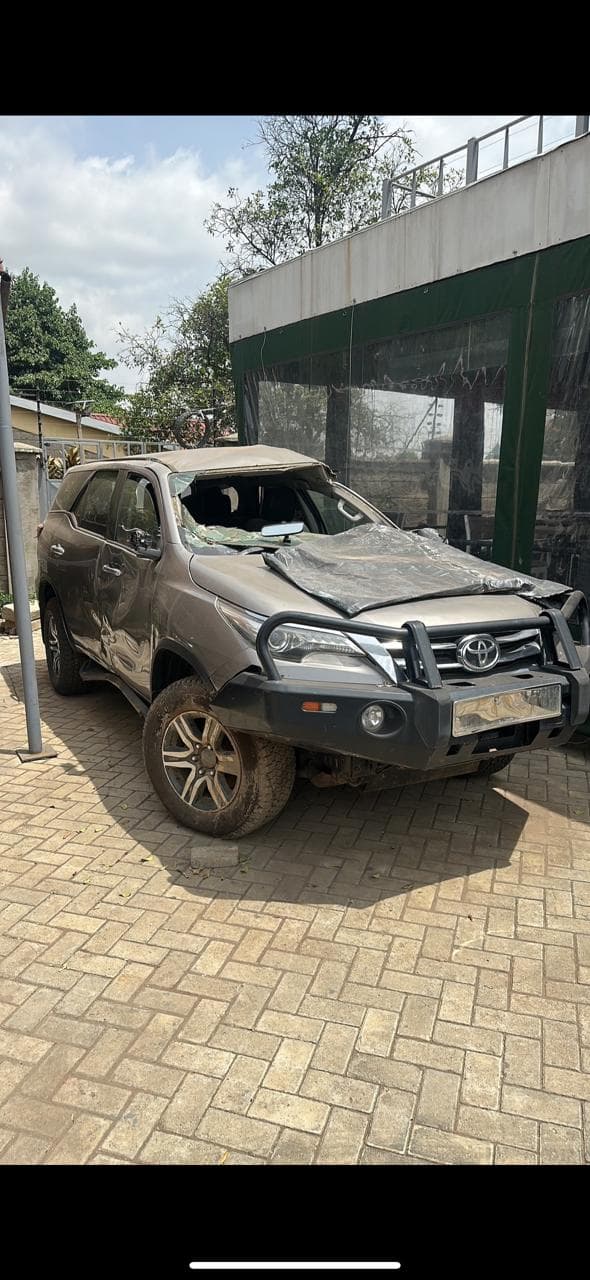
A thorough inspection looks past cosmetic condition for signs of prior accident repair: mismatched panel gaps, overspray, and inconsistent paint texture can all indicate previous bodywork.
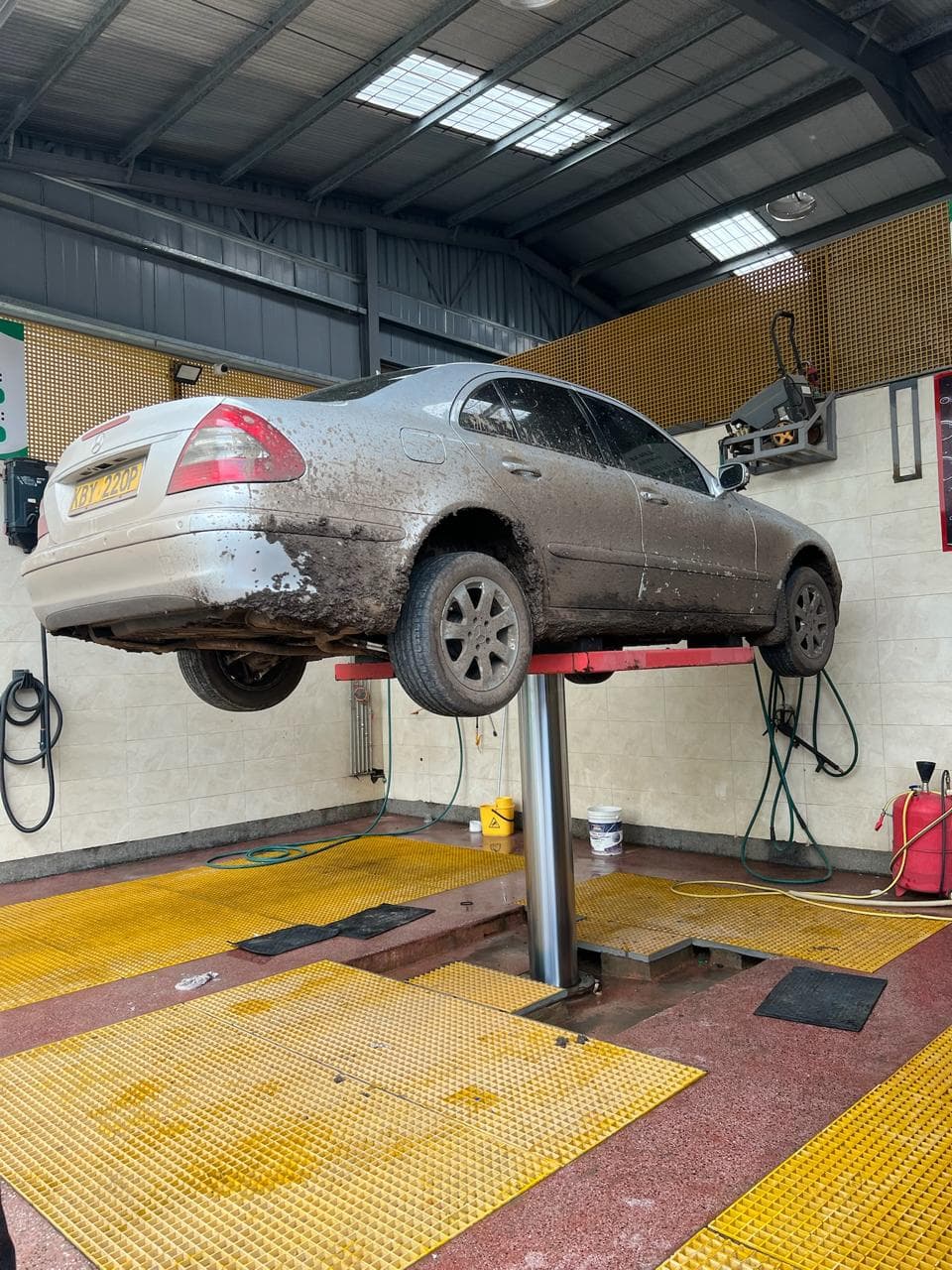
Underbody rust, frame damage, and worn suspension bushings are checked from beneath the vehicle where possible — issues that are invisible from a quick walk-around.
Mechanical and fluid checks
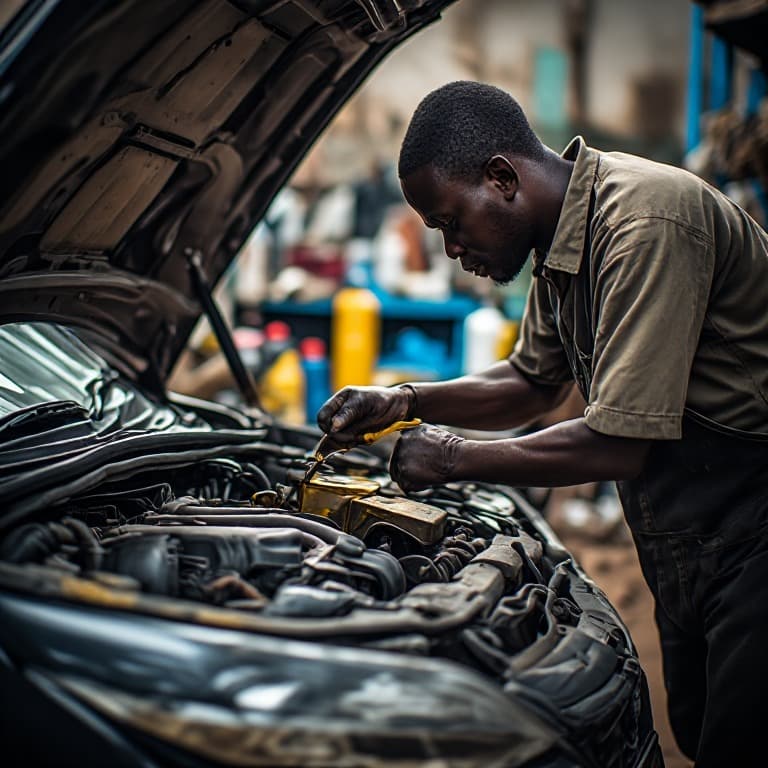
Engine oil condition and level, coolant condition, transmission fluid (where accessible), brake fluid, and power steering fluid are checked for level, colour, and any signs of contamination or leaks.
Belts, hoses, and the battery are inspected for wear, cracking, and charge health.
Tyres, brakes, and safety systems
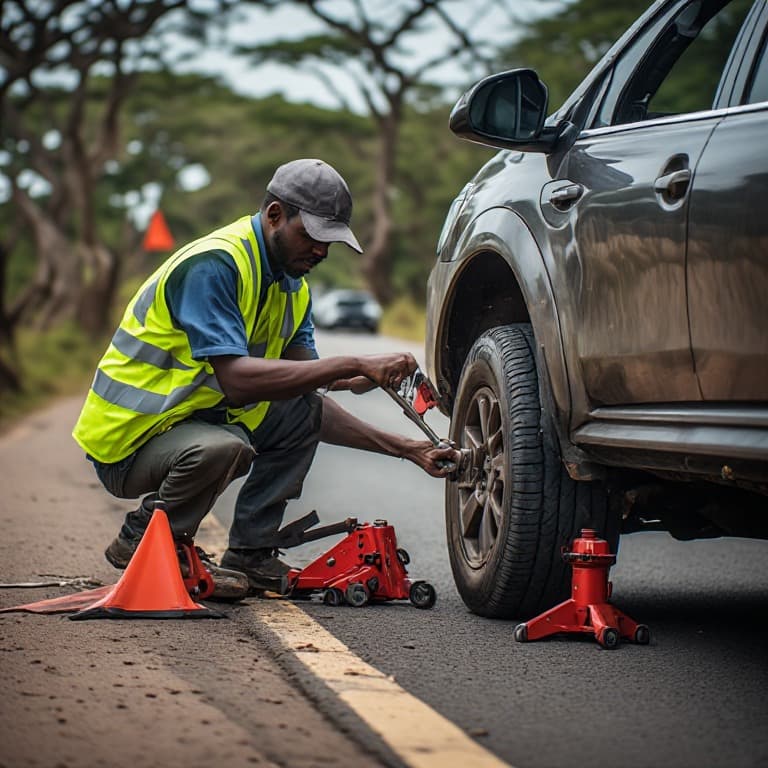
Tyre tread depth and wear pattern (uneven wear often points to alignment or suspension issues), brake pad and disc condition, and handbrake function are all assessed.
Lights, indicators, wipers, and horn are checked, along with dashboard warning lights and any stored fault codes where diagnostic equipment is available.